 888-213-4711
eNoise Control can assist you with noise control for chillers at data centers. Planning for noise control is crucial due to both regulatory compliance (e.g., local noise ordinances) and operational comfort for nearby facilities or personnel. Chillers can generate significant noise from compressors, fans, pumps, and associated mechanical systems. Here’s a listing of your noise control options:
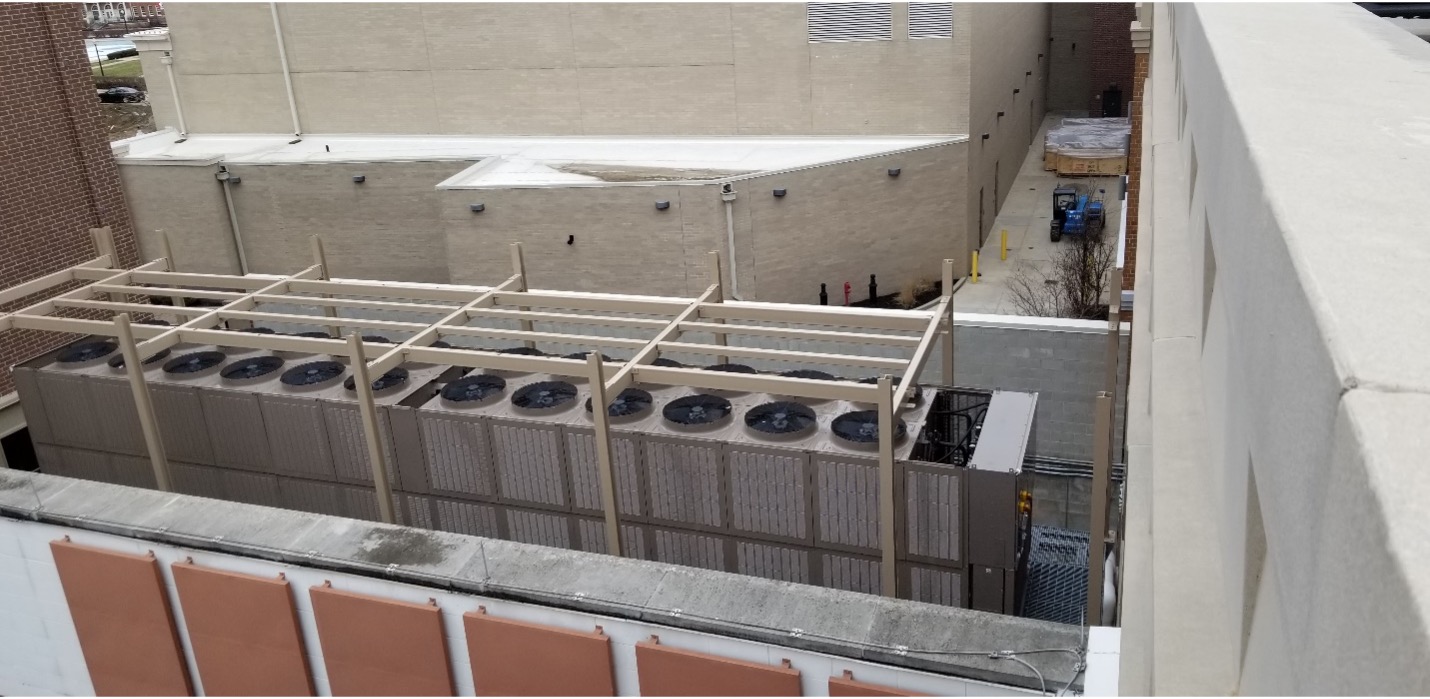
Acoustic Barriers and Enclosures
- Purpose: Block direct noise propagation from chiller components (especially fans and compressors).
- Types:
- Soundproof enclosures: Encase chillers partially or fully in acoustic panels with sound-absorbing materials.
- Noise barriers/walls: Typically outdoor-rated walls around chillers; placed to interrupt line-of-sight paths to noise-sensitive areas.
- Materials: Steel or aluminum with acoustic insulation (mineral wool, fiberglass, etc.)
Low-Noise Chiller Design / Equipment Upgrades
- Low-noise fans: Use variable-speed, backward-curved or aerodynamic fan blades.
- Quiet compressors: Scroll or screw compressors are generally quieter than reciprocating types.
- Anti-vibration mounts: Isolate vibration sources to reduce structure-borne noise.
- Low-noise pumps: Use quieter models or upgrade to variable-speed drives to reduce RPM and noise.
Vibration Isolation
- Spring isolators or rubber mounts: Prevent mechanical vibration from transmitting to the structure.
- Flexible connectors: Use between chillers and piping to reduce transmission of vibration-related noise.
Environmental Integration
- Landscape buffers: Use berms, trees, or vegetation to deflect or absorb sound.
- Roof location considerations: If on a rooftop, elevate or isolate equipment to reduce noise transmission to interior spaces.
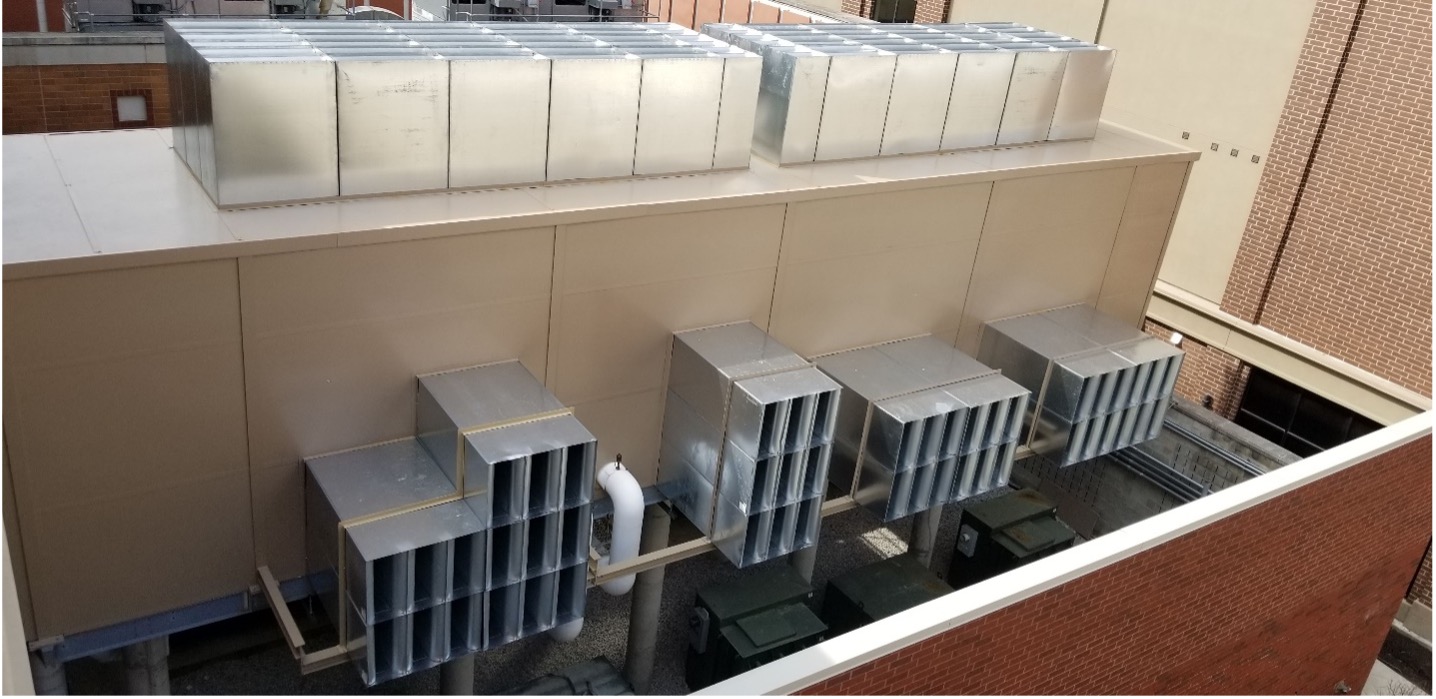
Sound Attenuators / Silencers
- Fan inlet/outlet silencers: Reduce aerodynamic noise in air-cooled chiller systems.
- Duct silencers: Used for any ductwork associated with HVAC or chiller exhaust/return.
Operational Strategies
- Variable-speed control: Operate chillers at lower speeds during off-peak times to reduce noise.
- Load management: Stage multiple chillers to avoid running any one at full capacity.
- Night mode: Some chillers offer quieter operation profiles at night to meet stricter sound limits.
Site Planning and Acoustic Modeling
- Acoustic modeling software (e.g., CadnaA): Used in design phase to predict and manage noise levels.
- Strategic placement: Locate chillers as far as possible from sensitive receivers (residential, office windows, etc.).
- Orientation: Position fans or noisy outlets away from occupied areas or buildings.
Monitoring and Compliance
- Regular sound level measurements: Use sound level meters to ensure compliance with local regulations.
- Maintenance schedules: Keep fans, belts, and bearings in optimal condition to prevent excess noise from wear and imbalance.
If you’re designing or retrofitting for a specific site, I can help generate a checklist or even run a noise mitigation plan tailored to your site layout. Contact our team about your data center noise issues at 888.213.4711 or send us an email to info@enoisecontrol.com.