 888-213-4711
Noise Canceling
Noise canceling technology is a narrow field of noise control that, in theory, reads the intruding noise and then sends a “canceling” or “damping” sound wave toward the sound source. The technology is very difficult to implement in a real world three dimensional space. Some fan exhaust systems have been successful using this technology, but has limited success in most industrial and outdoor applications.
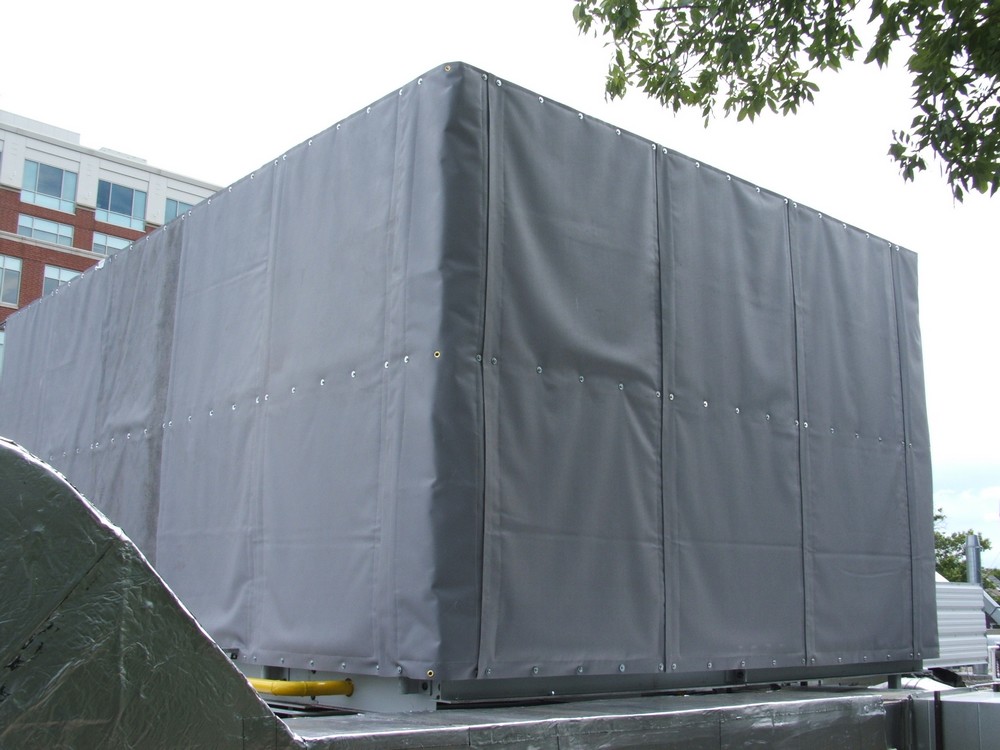
Outdoor Sound Blanket
Noise-canceling technology is based on the technology of introducing an external speaker that produces and inverse (opposite wave) to the original noise source wave. This opposite wave then helps dampen/cancel the original sound.
To perform this task, there must be a microphone to acquire the original noise wave feed at distance from the speaker. The technology is very limited. It typically only works well in very specific conditions.These conditions include constant noise being emitted from a two-dimensional pipe/duct, such as a blower, fan, engine exhaust, etc. The close proximity of the mic to the noise source in the two-dimension pipe allow the speaker the ability the help cancel the noise wave at the exit point of the pipe/duct. If you have a noisy stack, exhaust duct or engine exhaust noise problem, please reach out to eNoise Control to discuss.
Most three-dimensional spaces such as outdoors (concerts, road noise, train noise, etc) and indoor spaces (factory floors, production spaces, etc) are not conducive to implement the noise-cancelling technology. The fluctuation of noise in these 3-D spaces, multiple sound waves, irregular patterns and such create high challenges to implement this technology effectively.
eNoise Control can offer assistance with noise barriers, outdoor sound blankets and acoustic consulting services for your project.
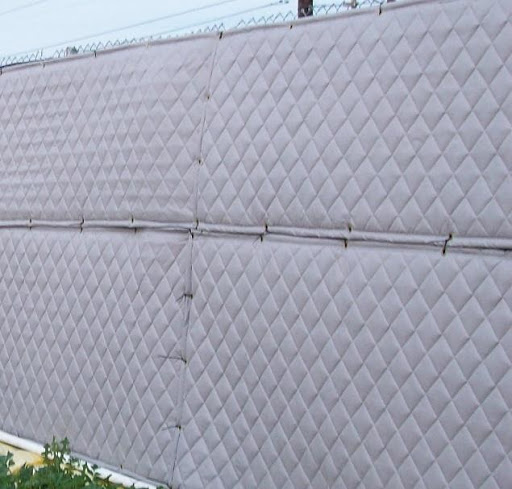
Outdoor Sound Curtain
Noise canceling technology is very effective and useful in a variety of situations. If you are in need of noise canceling products check out our selection of sound blankets, outdoor sound blankets, sound curtains, STC rated doors and sound barrier walls. If you need assistance in finding out what products would best suit your noise canceling needs, check out our expert acoustical consultant services!